Functionality: The Hidden Science of Kitchen Design
Designing a functional kitchen is often what separates a good kitchen designer from an excellent kitchen designer. It’s easy to make a kitchen look good, there is a lot of existing imagery that designers and homeowners can draw from and replicate. What isn’t so easy is understanding how individual families use their kitchen and making sure the kitchen caters for those needs and habits, it's often referred to as the hidden science of kitchen design.
Kitchen Workflow
All kitchens have workflows, some relate to cooking and plating up, others to cleaning and secondary meals. Depending on the numbers involved in these various flows/tasks will depend on what priority the designer will have in the placement of certain appliances and storage areas. For example, a large family with multiple users will require larger distances between the task areas compared to a single user. Also, they might want to focus on the workflow when cleaning and washing up as several people might be involved rather than the cooking where only one is using the kitchen.
Cuisine Nationality
A big part of your kitchen design can be as simple as nationality. If you are from a country where the cooking style requires a hob more than an oven, the hob might face your guests on a kitchen island. In Europe, most Islands feature a hob rather than a sink.
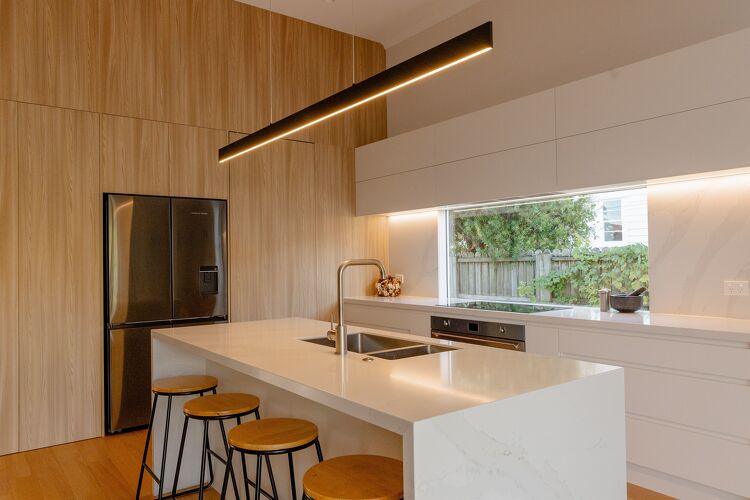
The traditional Kiwi cooking style requires a lot of prep time around a sink and then uses the oven, so historically the sink has been positioned facing guests.
How High?
Even your height has an important part in functional kitchen design. Most kitchen companies work to a standard kitchen bench height of 900, that would be great if we were all the same height. Custom design means just that, designed for the user. Bench heights can also vary depending on the task zone, hobs should be 75mm lower than a sink. But it’s not often you see that in kitchen design as its easer for a manufacturer to build benches to one height.
Kitchen Storage is Something Else
We often associate functionality with clever storage solutions and knowledge of these will certainly aid a good kitchen design, but also knowing when not to use them and designing to avoid the need for them is a possibly better design. A void is not always lost space. Corners are often a big debate with homeowners and designers; there is a lot of evidence that a void with drawers either side is better than corner hardware.
Driving U Round the Bend
NZ is littered with U-shaped kitchens due to our historic architecture; these can be a nightmare for functionality. Thankfully most modern architecture has recognised this oversight and now provided us with galley or island options. In most U-shaped designs, there is generally a busy corner; a busy corner means functionality is missing. A designer can work around this if they understand the problem and the homeowner is open to change. Going with ‘like for like’ often cements-in bad design.
Excellent Kitchen Design
As you can see, excellent kitchen design depends on many factors over and above what you see and where you put things. Kitchen Studio's designers are all versed in understanding your true needs rather than just what looks good. Give them a try by booking a (no-obligation) consultation and see what they can discover about your kitchen's functionality