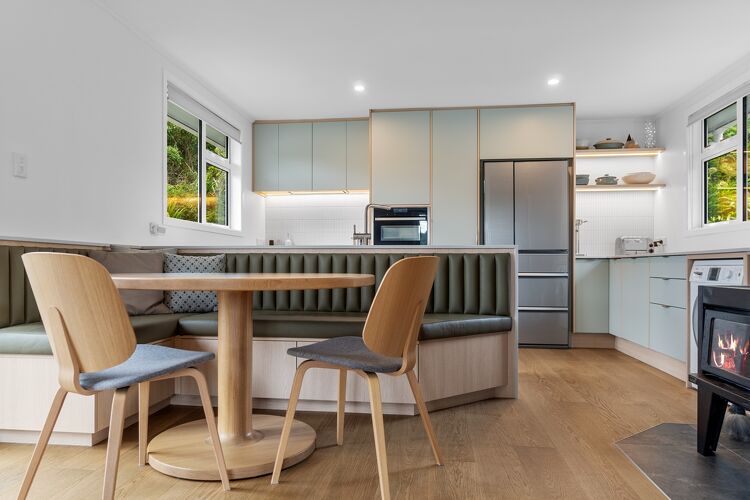
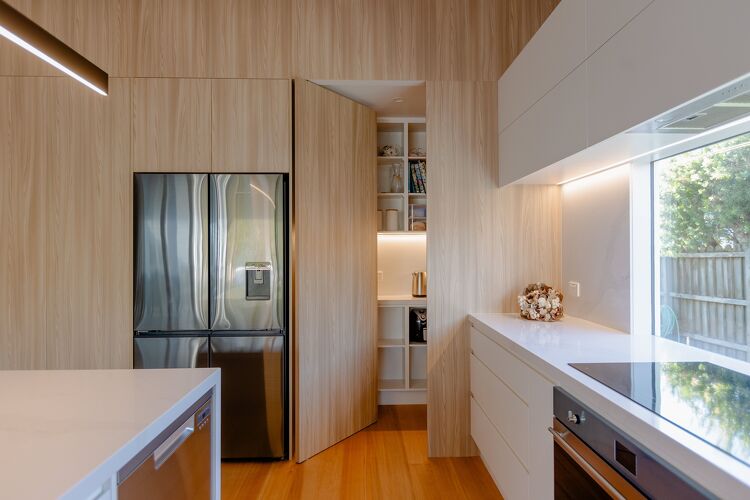
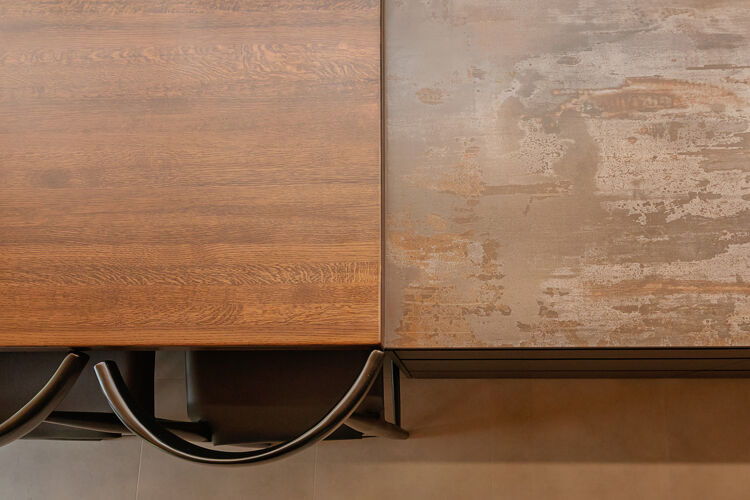
Kitchen design isn’t just how a kitchen looks, although that’s what often impresses a client as we buy with our eyes.
However, a good kitchen designer will not only gratify the homeowner's eye but will understand the workings of a user within a kitchen.
More importantly they will understand how their clients use their kitchen.
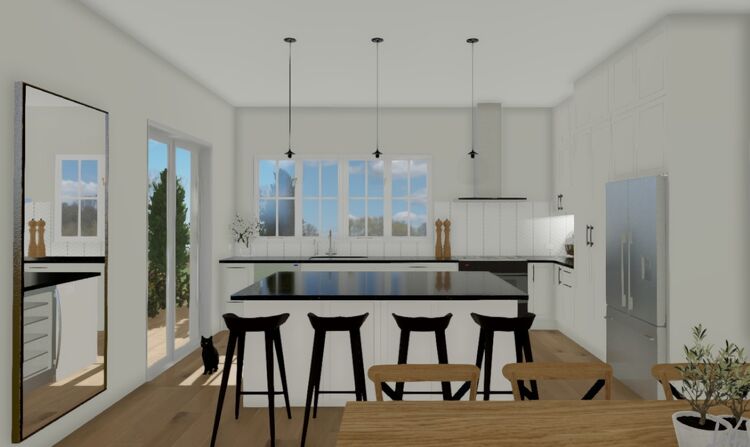
We can all look at stunning and sexy pictures of kitchens online or in a magazine and say ‘Oh, I love that amazing kitchen’. But the key question is, would a family of seven buy a Ferrari? Kitchen designers only put their ‘Ferraris’ in magazines because they look amazing. The kitchens that actually work for a family of seven are like a big SUV and are first and foremost practical. An SUV can look great but is not necessarily a front-page model.
Most people know about the ‘Golden Triangle’ in kitchen design these days: where the fridge, cooker, and sink are positioned in a triangular formation within easy reach of each other.
But functionality can often compete with the client’s view of what their kitchen should look like. For example, the client might love symmetry, which is fine. But to create symmetry, you need balance from a middle focal point. This often means splitting fridges from pantries as they are both tall rectangular shapes. Functionally, however, both these units should be together as they both store food: one cold, one room temperature. To separate them at opposite ends of a kitchen means the user must walk to two separate points to get to their food source.
Generally, asymmetrical design works best for kitchens from a functional perspective, and it takes a good designer to balance asymmetrical design. Most group housing plans will show symmetrical kitchen design as that is naturally pleasing to the eye and easy to achieve: form over function.
There is a lot that a good kitchen designer will consider that is hidden in the science of the design, the look is the easy part.
That family of seven would need massive bench space, with several task zones, two sinks and two rubbish bins.
Little things need to be taken into account like not including extra wide drawers as people have to get out of the way when they are opened, and yes, a scullery would be a great addition for that family too.
Multiple workflows for multiple users would have to be considered, does the dishwasher, when open, prevent others from reaching the sink? Does the prep area conflict with the cooking area? Is there space for kids to do their homework while dinner is being cooked?
Similarly, for an older householder or those with additional needs, is bench height an issue? Is there any point in high cupboards, or should storage all be at eye level?